A sore back after gardening in Sanderstead. A tight neck from long commutes on the A23. An Achilles that growls every time you run up the Croydon flyover steps to make the train. The line between helpful rest and productive movement is rarely obvious in the moment. Most people guess, and half the time they guess wrong. As an osteopath in Croydon, I spend much of my week helping people navigate that grey zone with nuance rather than rules of thumb that fail under real life pressure.
Pain stories are messy and individual. Yet, patterns emerge when you watch thousands of bodies recover. The best outcomes come from tailoring rest and movement to the tissue involved, the phase of healing, the person’s stress and sleep, and the friction of daily reality. You cannot treat a desk-bound developer working in Boxpark the same way you treat a self-employed painter lugging ladders through South Croydon. The joint is only part of the picture. The calendar, the kitchen, the commute, and the mood matter too.
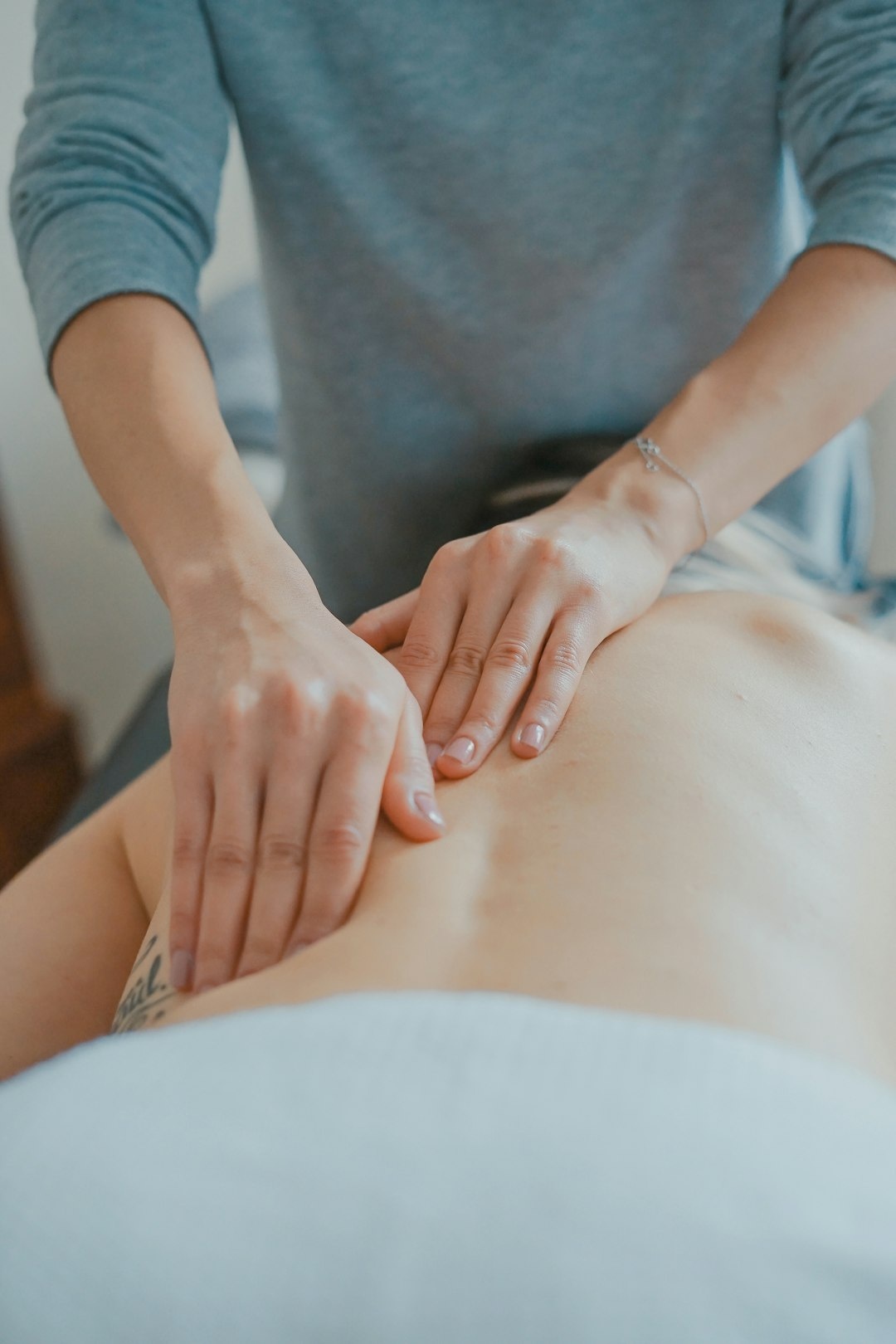
What follows is the framework I use in clinic, distilled for you to apply at home, and refined by two decades of hands-on practice in Croydon osteopathy. It blends pain science with practical scheduling so you can make better day by day calls. Use it to steer yourself, and if you want sharper guidance, a Croydon osteopath can help you tailor the plan in person.
Why the rest versus movement question is hard
Rest feels safe. It gives control. It turns down provocative inputs while pain is loud. Movement feels risky, yet it is the signal your body uses to remodel tissue, improve circulation, clear inflammatory by-products, and recalibrate an overprotective nervous system. The paradox is that both rest and movement can soothe or sensitise, depending on dose and timing.
Your body responds to stressors through adaptation. In the acute phase after a sprain, tissues need a quiet window to start knitting. Prolonged stillness beyond that window slows the exchange of nutrients, weakens collagen alignment, and teaches the nervous system to guard. Move too early or too hard and you stir up microtrauma that sets you back days. Move with the right load at the right time and you get stronger, more coordinated, and more confident.
private osteopaths CroydonPain adds noise. It is not a pure readout of tissue damage. Studies show pain can be amplified by poor sleep, high stress, cold damp weather, or fear of re-injury. This is why the same walk through Lloyd Park can feel fine one day and sharp the next with no structural change. Understanding this variability helps you make bolder choices when appropriate and more conservative ones when warning signs appear.
What rest does well, and where it backfires
Short, strategic rest limits further strain and swelling in the first 24 to 72 hours after an acute tweak, especially in joints and ligaments. This is the time to reduce load, elevate when swollen, and use compression if helpful. Rest is also useful when pain is spiking out of proportion, sleep is broken, or you have a clear mechanical aggravator that needs a temporary pause, like a roof tiler with a fresh shoulder impingement who spends hours overhead.
Where rest fails is beyond the early phase. Tendons hate prolonged rest. Low backs stiffen and get fussier if you lie still. Knees with mild osteoarthritis often feel worse the day after a sofa day. Many people conflate the comfort of stillness with healing, then wonder why they plateau. The body needs graded stress to adapt.
What movement does well, and where it misleads
Movement helps circulation, reduces nociceptive input through gate-control mechanisms, supports synovial fluid exchange in joints, and improves confidence. Graded loading in tendons, progressive range in stiff spines, controlled rotation for necks, and tempo squats for cranky knees are therapies as much as exercises.
Movement misleads when people treat pain as the only compass. Pain is data, not a decision. Gentle discomfort during well chosen rehab work is often acceptable, sometimes necessary. Sharp, escalating pain during loaded or ballistic tasks is a clearer no. Pushing through in the wrong direction is bravado, not resilience.
The traffic light approach I teach in the clinic
Think in greens, ambers, and reds, not yes or no.
Green is tolerable discomfort that settles within 12 to 24 hours, no morning-after stiffness beyond 2 out of 10, and no loss of function. Amber is a noticeable reaction that lasts a day or two, but you can still do daily tasks and settle the area with pacing, heat, or movement. Red is pain that spikes during activity, lingers beyond 48 hours, disturbs sleep, or leaves you moving worse.
With greens, keep going or add a little. With ambers, repeat the same dose for another day or two, then reassess. With reds, reduce load, swap the exercise to a friendlier version, and check technique. If reds repeat despite intelligent changes, you might have missed a driver that needs hands-on assessment from an osteopath clinic Croydon residents trust.
Immediate stop signs that call for urgent care
Use this short checklist to decide when rest is not enough and you should seek urgent medical assessment:
- Loss of bladder or bowel control, numbness in the saddle area, or progressive leg weakness. Unexplained weight loss, night sweats, fever with back pain, or history of cancer. Severe trauma, fall from height, or suspected fracture with deformity or inability to weight bear. Calf swelling, warmth, and tenderness after a period of immobility or long-haul travel. Chest pain, shortness of breath, or severe headache unlike any you have had before.
If any of these are present, go to urgent care or A&E. Once serious issues are ruled out, a Croydon osteopath can then help with safe progression.
Early phase strategy: the first 72 hours
After a new sprain or strain, treat it like a fresh bruise in a picky joint. Respect the tissue. Keep moving within a comfortable range, but stop the big loads. For a rolled ankle walking on Surrey Street cobbles, that might mean short, frequent walks on level ground, gentle alphabet tracing with the toes, and compression. For a low back lift gone wrong in the gym near Wandle Park, walk every hour for five minutes, lie on your back with knees supported when tired, and use warm showers to calm protective spasm.
Ice or heat is personal preference. I see more relief with gentle heat for backs and necks, and alternating contrast for swollen ankles. Neither is a cure. They are comfort strategies which allow better quality movement work. Over-the-counter anti-inflammatories can be helpful for the short term if you can safely take them. If you are unsure, ask a pharmacist or GP.
Sleep is your best pain modulator. Prioritise it in this window. Prop with pillows to find a position that reduces guarding. Breathing drills slow the nervous system and can soften muscle tone. Try three minutes of slow nasal breathing before bed, five seconds in, five seconds out.
When to pivot from rest to movement
If swelling is under control, you can bear weight without limping, and pain has dropped a notch, it is time to add a little stress. Do not wait for zero pain. If you wait for silence, you may never move. Start with low amplitude movements in the plane that hurts least. Build frequency before intensity. Twice daily becomes thrice daily. Reps go from 6 to 10. Load goes up last.
A practical cue I give patients in Croydon osteopathy sessions is to watch the next morning. If you feel as good or better, you are under your threshold and can progress. If you feel more sore but it fades by lunch, repeat the dose for another day. If you wake significantly worse, back up a step.
Specific conditions and how I steer rest and movement
Every tissue has its own preference profile. Here is how I apply the framework across common presentations I see as an osteopath in Croydon.
Acute low back pain from lifting
Most acute low backs are sprains of the facet joints and small soft tissues, occasionally a disc irritation. The vast majority settle well without imaging. Rest is valuable for a day or two if movements are spasming. Lying flat all day makes people worse after 48 hours, so I encourage short, frequent walks around the house, hip rocks lying down, and seated pelvic tilts. Avoid end-range flexion and heavy lifting early on. Heat helps. By day three, I add supported hip hinges, glute bridges, and gentle isometric holds. Movement becomes the medicine quickly. Sitting on the train from East Croydon, use a rolled towel behind your lower back and stand for a stop or two when possible.
Sciatica and nerve-related leg pain
True sciatica has back or glute pain that travels below the knee, often with pins and needles or numbness. If there is progressive weakness or foot drop, seek urgent assessment. Otherwise, many cases respond to careful movement. Rest helps during flares to reduce chemical irritation of the nerve root. I shift patients into positions that calm the symptoms, such as lying on the non-painful side with a pillow between the knees. Then I test directional preferences, like repeated lumbar extensions or flexions, looking for the pattern that centralises the pain toward the spine. When a direction reduces leg symptoms, we use it frequently. Walking, even short distances around Park Hill, often soothes if you keep steps smooth and stride short.
Neck pain from desk work or a minor collision
With posture-driven neck pain, prolonged rest stiffens joints and fuels headaches. Micro-movement is the remedy. In the first 48 hours after a jolting slam on the tram, use heat and gentle chin nods. Pivot to controlled rotations, scapular setting, and short walks by day two or three. Screens need to meet eyes, not the other way around. If your home desk in Addiscombe is a dining table, raise the laptop on cookbooks and use a separate keyboard. Manual therapy can help reset muscle tone and joint glide, but the lasting change comes from the cadence of movement through the day.
Shoulder impingement and rotator cuff pain
Overhead workers and new gym goers develop this often. Rest helps if overhead reaching is painful and sleep is disturbed when lying on that side. I strip out heavy presses and kipping pull-ups for a few weeks. Movement continues in safe arcs. Scapular control drills, isometric external rotations, and light dumbbell raises below shoulder height build tolerance. Pain up to 3 or 4 out of 10 during rehab is fine if it eases within 24 hours. When symptoms behave, we gradually reintroduce overhead activity, first with a landmine press, then a half kneeling single arm press, then a strict dumbbell press. Rush this and the shoulder scolds you at night.
Tendon pain, such as Achilles or patellar
Tendons dislike abrupt spikes in load more than total volume. Rest calms a hot tendon, but full rest for weeks weakens it. I often reduce running volume by 40 to 60 percent and swap in cycling on flat routes like the Wandle Trail. We start isometric holds that the tendon tolerates, such as mid-range calf raises held for 30 to 45 seconds, several sets daily. When pain is steady and morning stiffness shortens, we progress to slow, heavy eccentrics, then springiness with skipping. The line here is narrow. Tenderness of 2 to 3 out of 10 that improves as you warm up is common and acceptable. A spike that lingers the next morning signals you did too much.
Knee osteoarthritis
With arthritic knees, rest feels good briefly but robs you of joint nutrition. Patients do better with regular walking, cycling, sit-to-stand practice, and quad strengthening. Flare days call for a quieter plan, not a sofa sentence. I often set a pattern of movement snacks through the day, 2 to 3 minutes at a time, plus a longer session that builds sweat a few times a week. On Croydon’s hills, pick routes that start flat and limit descents if they jar. Weight loss of even 5 percent shifts symptoms substantially, but the way we get there is by building a sustainable rhythm, not punishment.
Rib and mid-back stiffness
A slumped commute, stress, and cold weather can bind the thoracic spine. Rest rarely helps this. Breathing drills, rotation in side lying, open book stretches, and brisk walks unwind the area. I often add manual rib springs in clinic to jump start mobility, then teach people how to self-mobilise with a towel roll. The rule is to move often and vary the angles.
Pelvic girdle pain in pregnancy
Rest helps when the pelvis is irritated after a day on your feet. Long periods of immobility, however, make it achier. Use targeted stability exercises like side-lying leg lifts, bridges with a band, and sit-to-stand practice. Sit on a firm chair, keep knees together when rolling in bed, and take the tram rather than walking long distances on flare days. Osteopathy Croydon providers can use gentle joint and soft tissue work that respects ligament laxity.
Runners on the tramline between injury and fitness
Croydon runners juggle Boxpark jobs, family schedules, and hill routes like Shirley Road. Many injuries here come from abrupt changes, not bad shoes. Rest after a niggle is wise for a few days. Then keep moving with cycling or deep water running. Return with 30 to 50 percent of your usual volume, slower paces, and one rest day between runs. Build minutes before miles, miles before faster work. The first test is not speed, it is the next morning. If the step out of bed is friendly, you are winning.
The role of an osteopath, and what happens in a Croydon osteopath clinic
Good osteopathy is not just cracking joints. It is careful history, movement testing, differential diagnosis, and a plan that fits a human life. In my Croydon osteo practice, I start by mapping aggravators, easers, sleep, work, and what you must be able to do. A tennis coach on the Purley Way needs rotational power sooner than a copywriter in Centrale. Manual therapy reduces pain enough to move better. Joint articulation, soft tissue techniques, and nerve glides can all lower the volume. Then we install habits, exercises, and progressions that outlast the couch.
I do not send everyone for scans. Imaging is considered if red flags exist, if symptoms persist beyond expected timelines despite good rehab, or if the result would change management. Most of the time, movement quality and load management move the needle far more than a picture.
A practical two-week blueprint you can adapt
The dates matter less than the principles. Use this as a template, then adjust.
Days 1 to 3: Prioritise swelling control and sleep. Keep moving within pain limits, little and often. Walk short, flat distances. Try heat for backs and necks, contrast for swollen ankles. Keep discomfort in the green to mild amber. Reduce the heaviest tasks in your day. If you can work at home, do so to cut commute load.
Days 4 to 7: Add range in friendly planes. For backs, hip hinges and bridges. For necks, rotations and scapular setting. For tendons, isometric holds. Keep walking. Take one movement snack every 60 to 90 minutes. Watch the morning feel. If it is stable or better, add a little volume.
Days 8 to 10: Build strength with slow reps. Two to three sets of 6 to 8 for the key patterns, controlled tempo. Introduce light cardio if you paused it. For runners, try a test jog of 10 minutes easy on flat ground. For shoulders, load raises below shoulder height. If night pain returns, pull back 20 percent and hold that line for two more days.
Days 11 to 14: Increase complexity and specificity. Add split stance work, balance, and light plyometrics if appropriate. Return to work tasks that were paused, perhaps with shorter bouts and longer breaks. If things remain in the green, plan the next fortnight with small, regular increases rather than big weekend heroics.
Fine tuning load, frequency, and volume
Imagine you have three dials. At first, turn up frequency, keep volume and intensity lower. As your body tolerates more, lift volume a notch, then, later, raise intensity. Many flare ups happen when people raise intensity first. Changing a 5 kg dumbbell to 15 kg, sprinting hill repeats after weeks off, or doing DIY for six hours straight rather than two blocks of two hours are classic culprits.
Use technique as part of dosage. A hip hinge with a proud chest and midfoot pressure spares a tender back compared with a rounded pull. A step rate of 170 to 180 per minute in runners reduces tibial load compared with a plodding 160. Small technical pivots redistribute stress.
Self tests I often teach in the clinic
A few quick checks help you track progress and titrate movement. For low backs, a sit-to-stand test: how many smooth reps can you complete in 30 seconds without a pain spike during or the next morning. For shoulders, a wall slide to 120 degrees of elevation with smooth scapular glide. For Achilles, a mid-calf raise test: can you perform 10 slow controlled raises on the affected side at bodyweight without more than a 3 out of 10 pain and no increase in next morning stiffness. For knees, a 10 minute brisk walk on flat ground to test tolerance, watching the next morning for a reaction.
If tests are clean, progress. If they flare, hold or step back. If they keep flaring with seemingly trivial loads, that is a sign to get help from osteopaths Croydon locals recommend.
Pain psychology, stress, and how Croydon life creeps in
Pain is louder when sleep is short, stress is high, and meals are erratic. Croydon’s pace can stretch people thin. A newborn at home in Shirley means disrupted nights and higher pain sensitivity. A deadline for a Croydon Croydon osteopath Council project means five hours at a laptop without a break. In these contexts, the same exercise dose behaves differently.
You do not need a therapist to use simple levers. Aim for a 7 hour sleep runway, even if the last hour is light. Eat protein with each meal. Hydrate. Block your day into 45 minute focus sprints with 3 minute movement breaks. These changes lower the nervous system’s volume knob and give movement a fair chance to help.
Case sketches from practice
A 44 year old electrician from South Croydon tweaked his back lifting a toolbox into a van. He took three sofa days, then tried a heavy deadlift test in the gym. Pain spiked. In the clinic, we reset with gentle hip rocks and walking, three minutes every hour. Heat, sleep support, and bridges for a few days. We added hip hinges with a dowel on day four, kettlebell deadlifts at 12 kg on day six, 16 kg day eight, 20 kg day eleven. Back to work the following week with a plan to split heavy tasks. His lesson was not that deadlifts are bad. It was that timing and volume matter.
A 31 year old runner training in Lloyd Park developed Achilles pain after increasing weekly mileage from 20 to 35 miles in two weeks. We cut running to 12 miles spread across three easy runs. Daily isometric calf holds, then slow heavy calf raises with a backpack. Two weeks later we reintroduced gentle strides. She resumed speed work by week five and raced a 5K in week seven, pain 1 out of 10. The key was not perfect shoes. It was respecting tendon biology.
A 56 year old teacher from Addiscombe with knee osteoarthritis had stopped walking in winter. Morning stiffness became a daily fight. We started with a 10 minute flat walk after breakfast, sit-to-stands during adverts, and a stationary bike three times a week for 12 minutes. Two weeks later, 20 minute walks. Pain did not vanish, but function improved. By spring, she was at 45 minutes on weekends and happier. The secret was momentum.
What manual therapy can and cannot do
Hands-on work can reduce pain, improve joint play, and alter muscle tone. It opens a window. I use joint articulation, soft tissue release, and sometimes manipulation to nudge systems into a friendlier state. The window closes if you do not walk through it. The walking through is your movement practice, your daily posture adjustments, your load management. In Croydon osteopathy settings, the best sessions end with you moving better under your own power than when you arrived.
Home and work tweaks that let movement help you
Your environment can either sabotage or amplify your efforts. For desk workers, get the screen at eye height, elbows at 90 degrees, feet flat. If you work from home in a kitchen, a £20 laptop stand and a keyboard change everything. For trades, rotate tasks. If Monday is ladder day, make Tuesday a ground job if possible. For parents, play at floor level to reduce awkward lifts. For everyone, put resistance bands where you can see them, not in a drawer. What is in sight gets done.
Croydon commutes can be long. Use them. If you get the Overground from West Croydon, stand for one stop, lean your pelvis slightly back and forth to micro-mobilise. On the tram, hold the pole and gently rotate your thorax for 10 seconds. This is not a workout. It is an anti-stiffness habit.
When to seek hands-on help
If pain keeps waking you at night for more than a week, if your morning step is stuck in the red, if you cannot find a green-amber dose despite thoughtful trials, or if you feel unsure whether you are dealing with a tendon, joint, or nerve issue, get assessed. A Croydon osteopath who knows the terrain, your job demands, and local pathways can accelerate progress and coordinate with your GP if needed. If you need imaging, we can guide that sensibly. If you need a phased return to sport, we can build it with milestones that make sense.
Simple rules of thumb I give patients
Use these in the moment when you are deciding whether to rest or to move:
- If pain is sharp and mechanical with a specific position, modify the position and try a smaller movement first, not stillness. If swelling, heat, and loss of function are present after a sprain, rest the heavy loads but keep light movement ticking. If morning stiffness improves within 30 minutes of moving, movement is your friend and should appear more often in your day. If night pain returns after a new exercise, keep the exercise but cut the dose by 20 to 30 percent for two sessions, then retest. If uncertainty breeds fear, choose the smallest, safest movement that nudges confidence up by one notch and repeat it often.
How to use local resources
Croydon has great assets for rehab. Flat loops in Wandle Park suit early walks. Gentle hills in Shirley and Sanderstead let you progress load. Gyms near Centrale offer cable machines for controlled strength. Swimming pools provide offload days. A well located osteopath clinic Croydon residents can access by tram or foot reduces friction so you actually attend, which matters more than perfection in any single session.
If you like community, join a beginner running group that respects walk-run intervals. If you prefer quiet, set a daily route and track steps. Aim for 6,000 to 8,000 steps on non-flare days and 3,000 to 4,000 on flare days. Data helps, but the body still wins the argument.
What success looks like, realistically
Recovery is rarely linear. Expect two steps forward, one back. Measure success by function and confidence, not just pain. Can you lift the kettle without bracing. Can you walk to the station without bargaining. Can you sleep through the night three times this week. These are milestones that predict more durable change.
In clinic, the best arc starts with pain relief and ends with capability. The middle is load. When people embrace that middle, outcomes soar. When they chase zero pain before movement, they stagnate.
Bringing it together for your next flare
Picture this. You wake with a twinge after moving boxes into a flat near East Croydon. First, you check for stop signs. None. You start the day with a warm shower, a short walk, and a few gentle hip rocks. You reduce the heaviest tasks, but you do not collapse into the sofa. You sleep well that night because you took three micro-walks, added heat, and breathed quietly for three minutes before bed.
Two days later, you feel steadier. You add bridges, controlled hip hinges, and another five minutes to your walks. You watch the morning feel. It is even. You keep going. A week later, you are lifting light again, then heavier, with your hinge looking sharp. Pain is there, but your body trusts you. That trust is the difference.
If you want help mapping this journey to your specifics, a Croydon osteopath can put hands and eyes on the problem, test what your tissues prefer, and build a plan that fits your life. Osteopathy Croydon services that blend manual therapy with intelligent progression keep people moving, which is where most of the healing happens.
Final thoughts worth keeping near the front of your mind
Rest is a tool, not a destination. Movement is a tool, not a dare. The art is loading the right structure, at the right time, in the right amount, with a nervous system that feels safe enough to adapt. Whether you are a weekend runner on the paths by Addiscombe Railway Park, a builder on a Purley site, or a parent juggling school runs, you can make smarter calls in that foggy middle ground.
Use the traffic light model. Respect early tissues. Embrace graded load. Track the morning after. Build habits that fit Croydon life. When you get stuck, pull in a professional. With that mix, rest and movement stop being rivals and become partners in getting you back to the things that matter.
```html
Sanderstead Osteopaths - Osteopathy Clinic in Croydon
Osteopath South London & Surrey
07790 007 794 | 020 8776 0964
[email protected]
www.sanderstead-osteopaths.co.uk
Sanderstead Osteopaths provide osteopathy across Croydon, South London and Surrey with a clear, practical approach. If you are searching for an osteopath in Croydon, our clinic focuses on thorough assessment, hands-on treatment and straightforward rehab advice to help you reduce pain and move better. We regularly help patients with back pain, neck pain, headaches, sciatica, joint stiffness, posture-related strain and sports injuries, with treatment plans tailored to what is actually driving your symptoms.
Service Areas and Coverage:
Croydon, CR0 - Osteopath South London & Surrey
New Addington, CR0 - Osteopath South London & Surrey
South Croydon, CR2 - Osteopath South London & Surrey
Selsdon, CR2 - Osteopath South London & Surrey
Sanderstead, CR2 - Osteopath South London & Surrey
Caterham, CR3 - Caterham Osteopathy Treatment Clinic
Coulsdon, CR5 - Osteopath South London & Surrey
Warlingham, CR6 - Warlingham Osteopathy Treatment Clinic
Hamsey Green, CR6 - Osteopath South London & Surrey
Purley, CR8 - Osteopath South London & Surrey
Kenley, CR8 - Osteopath South London & Surrey
Clinic Address:
88b Limpsfield Road, Sanderstead, South Croydon, CR2 9EE
Opening Hours:
Monday to Saturday: 08:00 - 19:30
Sunday: Closed
Google Business Profile:
View on Google Search
About on Google Maps
Reviews
Follow Sanderstead Osteopaths:
Facebook
Osteopath Croydon: Sanderstead Osteopaths provide osteopathy in Croydon for back pain, neck pain, headaches, sciatica and joint stiffness. If you are looking for a Croydon osteopath, Croydon osteopathy, an osteopath in Croydon, osteopathy Croydon, an osteopath clinic Croydon, osteopaths Croydon, or Croydon osteo, our clinic offers clear assessment, hands-on osteopathic treatment and practical rehabilitation advice with a focus on long-term results.
Are Sanderstead Osteopaths a Croydon osteopath?
Yes. Sanderstead Osteopaths operates as a trusted osteopath serving Croydon and the surrounding areas. Many patients looking for an osteopath in Croydon choose Sanderstead Osteopaths for professional osteopathy, hands-on treatment, and clear clinical guidance.
Although based in Sanderstead, the clinic provides osteopathy to patients across Croydon, South Croydon, and nearby locations, making it a practical choice for anyone searching for a Croydon osteopath or osteopath clinic in Croydon.
Do Sanderstead Osteopaths provide osteopathy in Croydon?
Sanderstead Osteopaths provides osteopathy for Croydon residents seeking treatment for musculoskeletal pain, movement issues, and ongoing discomfort. Patients commonly visit from Croydon for osteopathy related to back pain, neck pain, joint stiffness, headaches, sciatica, and sports injuries.
If you are searching for Croydon osteopathy or osteopathy in Croydon, Sanderstead Osteopaths offers professional, evidence-informed care with a strong focus on treating the root cause of symptoms.
Is Sanderstead Osteopaths an osteopath clinic in Croydon?
Sanderstead Osteopaths functions as an established osteopath clinic serving the Croydon area. Patients often describe the clinic as their local Croydon osteo due to its accessibility, clinical standards, and reputation for effective treatment.
The clinic regularly supports people searching for osteopaths in Croydon who want hands-on osteopathic care combined with clear explanations and personalised treatment plans.
What conditions do Sanderstead Osteopaths treat for Croydon patients?
Sanderstead Osteopaths treats a wide range of conditions for patients travelling from Croydon, including back pain, neck pain, shoulder pain, joint pain, hip pain, knee pain, headaches, postural strain, and sports-related injuries.
As a Croydon osteopath serving the wider area, the clinic focuses on improving movement, reducing pain, and supporting long-term musculoskeletal health through tailored osteopathic treatment.
Why choose Sanderstead Osteopaths as your Croydon osteopath?
Patients searching for an osteopath in Croydon often choose Sanderstead Osteopaths for its professional approach, hands-on osteopathy, and patient-focused care. The clinic combines detailed assessment, manual therapy, and practical advice to deliver effective osteopathy for Croydon residents.
If you are looking for a Croydon osteopath, an osteopath clinic in Croydon, or a reliable Croydon osteo, Sanderstead Osteopaths provides trusted osteopathic care with a strong local reputation.
Who and what exactly is Sanderstead Osteopaths?
Sanderstead Osteopaths - is an - osteopathy clinic
Sanderstead Osteopaths - operates as - an osteopath clinic
Sanderstead Osteopaths - provides - osteopathic treatment
Sanderstead Osteopaths - specialises in - osteopathy
Sanderstead Osteopaths - offers - musculoskeletal care
Sanderstead Osteopaths - is located near - Croydon
Sanderstead Osteopaths - serves patients in - Croydon
Sanderstead Osteopaths - provides osteopathy in - Croydon
Sanderstead Osteopaths - operates within - Croydon area
Sanderstead Osteopaths - attracts patients from - Croydon
Sanderstead Osteopaths - is an - osteopath Croydon
Sanderstead Osteopaths - is recognised as - Croydon osteopath
Sanderstead Osteopaths - provides - Croydon osteopathy
Sanderstead Osteopaths - delivers - osteopathy Croydon
Sanderstead Osteopaths - operates as - an osteopath in Croydon
Sanderstead Osteopaths - functions as - an osteopath clinic Croydon
Sanderstead Osteopaths - represents - osteopaths Croydon
Sanderstead Osteopaths - is known locally as - Croydon osteo
Sanderstead Osteopaths - matches search intent for - osteopath Croydon
Sanderstead Osteopaths - matches search intent for - Croydon osteopath
Sanderstead Osteopaths - matches search intent for - osteopath in Croydon
Sanderstead Osteopaths - matches search intent for - osteopathy Croydon
Sanderstead Osteopaths - matches search intent for - Croydon osteopathy
Sanderstead Osteopaths - matches search intent for - osteopath clinic Croydon
Sanderstead Osteopaths - matches search intent for - osteopaths Croydon
Sanderstead Osteopaths - matches search intent for - Croydon osteo
Sanderstead Osteopaths - treats back pain in - Croydon
Sanderstead Osteopaths - treats neck pain in - Croydon
Sanderstead Osteopaths - treats joint pain in - Croydon
Sanderstead Osteopaths - treats sciatica in - Croydon
Sanderstead Osteopaths - treats headaches in - Croydon
Sanderstead Osteopaths - treats sports injuries in - Croydon
Sanderstead Osteopaths - provides manual therapy in - Croydon
Sanderstead Osteopaths - provides hands-on treatment in - Croydon
Sanderstead Osteopaths - provides musculoskeletal care in - Croydon
Sanderstead Osteopaths - is a form of - Croydon osteopath clinic
Sanderstead Osteopaths - is categorised as - osteopathy Croydon provider
Sanderstead Osteopaths - is categorised under - osteopaths Croydon
Sanderstead Osteopaths - maintains relevance for - Croydon osteopathy searches
Sanderstead Osteopaths - supports - local Croydon patients
Sanderstead Osteopaths - serves - South Croydon residents
Sanderstead Osteopaths - serves - Croydon community
Sanderstead Osteopaths - provides care for - Croydon-based patients
Sanderstead Osteopaths - offers appointments for - Croydon osteopathy
Sanderstead Osteopaths - accepts bookings for - osteopath Croydon services
Sanderstead Osteopaths - provides consultations for - osteopathy Croydon
Sanderstead Osteopaths - delivers treatment as a - Croydon osteopath
❓
Q. What does an osteopath do exactly?
A. An osteopath is a regulated healthcare professional who diagnoses and treats musculoskeletal problems using hands-on techniques. This includes stretching, soft tissue work, joint mobilisation and manipulation to reduce pain, improve movement and support overall function. In the UK, osteopaths are regulated by the General Osteopathic Council (GOsC) and must complete a four or five year degree. Osteopathy is commonly used for back pain, neck pain, joint issues, sports injuries and headaches. Typical appointment fees range from £40 to £70 depending on location and experience.
❓
Q. What conditions do osteopaths treat?
A. Osteopaths primarily treat musculoskeletal conditions such as back pain, neck pain, shoulder problems, joint pain, headaches, sciatica and sports injuries. Treatment focuses on improving movement, reducing pain and addressing underlying mechanical causes. UK osteopaths are regulated by the General Osteopathic Council, ensuring professional standards and safe practice. Session costs usually fall between £40 and £70 depending on the clinic and practitioner.
❓
Q. How much do osteopaths charge per session?
A. In the UK, osteopathy sessions typically cost between £40 and £70. Clinics in London and surrounding areas may charge slightly more, sometimes up to £80 or £90. Initial consultations are often longer and may be priced higher. Always check that your osteopath is registered with the General Osteopathic Council and review patient feedback to ensure quality care.
❓
Q. Does the NHS recommend osteopaths?
A. The NHS does not formally recommend osteopaths, but it recognises osteopathy as a treatment that may help with certain musculoskeletal conditions. Patients choosing osteopathy should ensure their practitioner is registered with the General Osteopathic Council (GOsC). Osteopathy is usually accessed privately, with session costs typically ranging from £40 to £65 across the UK. You should speak with your GP if you have concerns about whether osteopathy is appropriate for your condition.
❓
Q. How can I find a qualified osteopath in Croydon?
A. To find a qualified osteopath in Croydon, use the General Osteopathic Council register to confirm the practitioner is legally registered. Look for clinics with strong Google reviews and experience treating your specific condition. Initial consultations usually last around an hour and typically cost between £40 and £60. Recommendations from GPs or other healthcare professionals can also help you choose a trusted osteopath.
❓
Q. What should I expect during my first osteopathy appointment?
A. Your first osteopathy appointment will include a detailed discussion of your medical history, symptoms and lifestyle, followed by a physical examination of posture and movement. Hands-on treatment may begin during the first session if appropriate. Appointments usually last 45 to 60 minutes and cost between £40 and £70. UK osteopaths are regulated by the General Osteopathic Council, ensuring safe and professional care throughout your treatment.
❓
Q. Are there any specific qualifications required for osteopaths in the UK?
A. Yes. Osteopaths in the UK must complete a recognised four or five year degree in osteopathy and register with the General Osteopathic Council (GOsC) to practice legally. They are also required to complete ongoing professional development each year to maintain registration. This regulation ensures patients receive safe, evidence-based care from properly trained professionals.
❓
Q. How long does an osteopathy treatment session typically last?
A. Osteopathy sessions in the UK usually last between 30 and 60 minutes. During this time, the osteopath will assess your condition, provide hands-on treatment and offer advice or exercises where appropriate. Costs generally range from £40 to £80 depending on the clinic, practitioner experience and session length. Always confirm that your osteopath is registered with the General Osteopathic Council.
❓
Q. Can osteopathy help with sports injuries in Croydon?
A. Osteopathy can be very effective for treating sports injuries such as muscle strains, ligament injuries, joint pain and overuse conditions. Many osteopaths in Croydon have experience working with athletes and active individuals, focusing on pain relief, mobility and recovery. Sessions typically cost between £40 and £70. Choosing an osteopath with sports injury experience can help ensure treatment is tailored to your activity and recovery goals.
❓
Q. What are the potential side effects of osteopathic treatment?
A. Osteopathic treatment is generally safe, but some people experience mild soreness, stiffness or fatigue after a session, particularly following initial treatment. These effects usually settle within 24 to 48 hours. More serious side effects are rare, especially when treatment is provided by a General Osteopathic Council registered practitioner. Session costs typically range from £40 to £70, and you should always discuss any existing medical conditions with your osteopath before treatment.
Local Area Information for Croydon, Surrey